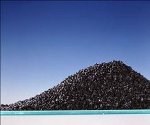
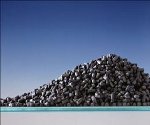
Activated carbon , also called activated charcoal, is a form of carbon that has been processed to enhance it's porosity and thus has a extremely large surface area available for chemical reactions. . Due to its high degree of micro porosity, just one gram of activated carbon has a surface area of approximately 1000 m². Sufficient activation for useful applications may come solely from the high surface area, though further chemical treatment often enhances the absorbing properties of the material. The physical absorption enables activated carbon to remove taste and odor-causing organic compounds, volatile organic compounds, trihalomethanes and other halocarbons from process water and vapor streams.
Activated carbon is commonly used in chemical, petrochemical, fuel, pharmaceutical and industrial gas manufacture and also in the recovery of precious metals. It is also used to purify end-products, decolorize solutions and remove taste/odor and organics from process water by the sweetener manufacturers, the beverage industry and food producers.
OEM (Original Equipment Manufacturers) also use it in the manufacture of commercial and home water purifiers and other envionmental protection products. Activated carbon is typically derived from coal, coconut shell and wood, although other base materials are used. Activated Carbon is produced in granular, powder and pellet form.
Typical Applications:
* potable, waste and general water treatment
*decolorization / purification of sugar, food, juice and pharmaceuticals products
*deodorization
*gas and air purification
*solvent, oil and vapor recovery